 Open in Google Translate
Advancing Research.
Empowering Families.
Moving Forward.
We are a family-led nonprofit dedicated to supporting research for SETD5 Syndrome, a rare genetic condition, and building a global community of hope and action.
A Rare Genetic Condition with a Growing Community
SETD5 Syndrome is caused by changes (variants or deletions) in the SETD5 gene. This gene plays a critical role in brain development, and when it doesn't work as expected, it can affect many areas of development. Common features include intellectual disability, autism spectrum disorder, speech and language delays, and behavioral differences such as attention and hyperactivity challenges. SETD5 Syndrome can also lead to a range of physical symptoms, which vary from person to person.
In most reported cases, the change arises spontaneously (de novo), and there is no prior family history of the condition, though familial cases do occur. In some families, a parent carries the variant and may show no features of the syndrome at all, a phenomenon known as reduced penetrance. When a parent carries the variant, it can be passed to a child. SETD5 Syndrome was first described in 2014, and the global community of diagnosed individuals is still growing as genetic testing becomes more widespread.
Every person with SETD5 Syndrome is unique. This is a condition of beautiful complexity, and our mission is to fully understand it and support those living with it.
Science That Needs Funding
SETD5 Syndrome is still poorly understood. There are fewer than 75 published studies, no natural history data, and no established clinical care guidelines. Our role is to change that: by connecting with leading researchers, funding the studies that matter most, and building the infrastructure the field needs to move faster.
Every dollar we raise goes directly toward the research priorities we believe will have the greatest impact. Visit our research page to see what we are working toward and why.
The Faces Behind Our Mission
SETD5 Syndrome Foundation was built by parents who refused to wait. Here is why we do this work.
"We knew from the very beginning that something was different about our son. After six months of fighting to have our concerns validated and nearly two years waiting for a diagnosis, we found ourselves navigating the unknown world of SETD5 Syndrome largely on our own. Like many families, we became our child's fiercest advocates and accidental experts in a condition few people understand. A Foundation that provides guidance, support, and connection for families affected by SETD5 Syndrome changes everything. No family should have to navigate it alone."
Support Our Work
We are building something that will matter for generations. Your support, in any form, helps us get there.
Note: Our 501(c)(3) application is pending. Donations are not yet tax-deductible.
Join Our Community
Get research updates, family stories, advocacy news, and foundation announcements delivered to your inbox once a month.
Subscribe to the NewsletterWe respect your privacy. Unsubscribe anytime.
What Is SETD5 Syndrome?
SETD5 Syndrome is a rare genetic neurodevelopmental condition caused by a change (variant) in the SETD5 gene, located on chromosome 3p25.3. SETD5 haploinsufficiency (meaning one working copy of the gene instead of the usual two) disrupts normal development in ways that can affect cognition, behavior, communication, and physical features.
Research suggests that SETD5 may help regulate how other genes are switched on and off during development. When one copy does not function correctly, a range of developmental, behavioral, medical, and physical features have been observed in affected individuals. No two individuals are exactly alike, and severity varies widely.
Most reported cases occur as a de novo mutation, meaning the change arose spontaneously and was not inherited from either parent. However, inherited cases are thought to account for an estimated 10–15% of known cases, and this figure may be an undercount, as formal prevalence data are still emerging.
Two genetic concepts help explain the range of how SETD5 variants behave in families. Reduced penetrance means a parent carries the same pathogenic variant as their child but has no apparent clinical features themselves (the variant is "there" but not expressed). Variable expressivity means individuals with the same variant can be affected to very different degrees, from mild to more significant. Both are observed in SETD5 Syndrome, which can make inherited cases harder to identify and may contribute to the variant being underweighted during genetic evaluation.
Approximately 75+ individuals had been described in published case series as of 2025. However, the global community has grown to over 1,100 families worldwide, suggesting the true number of people affected is significantly higher than published figures reflect.
Quick Facts
What Does SETD5 Syndrome Look Like?
SETD5 Syndrome presents differently in every person. The spectrum is wide: some individuals have significant support needs, while others have mild or moderate features, and some do not have intellectual disability at all. Notably, some parents who carry a pathogenic SETD5 variant are themselves unaffected or only mildly affected. No two individuals are exactly alike.
Learning & Cognition
Intellectual disability, global developmental delay, working memory difficulties, and challenges with reading, writing, and numeracy.
Speech & Language
Speech and language delay commonly reported. Some individuals are minimally verbal; others use AAC. Expressive language is often more affected than comprehension.
Behavior & Emotional Regulation
ADHD features, anxiety, sensory sensitivities, autism spectrum features, and a preference for routine are commonly observed.
Social & Adaptive
Social communication challenges and reduced awareness of danger have been reported in some individuals.
Neurological & Motor
Low muscle tone (hypotonia), gross and fine motor delays, coordination difficulties, sleep disturbances, and epilepsy in some individuals.
Medical & Physical
May include feeding difficulties in infancy, growth concerns, vision or hearing impairment, and heart concerns present from birth in some individuals.
Important: Features listed are drawn from published case series and reflect commonly reported characteristics. This list is not exhaustive. Not every individual will have all of these, and no two people are exactly alike. This is for educational purposes only and is not a substitute for medical advice. Please consult with a qualified genetics specialist or developmental pediatrician for personalized guidance.
Other Names You May Encounter
SETD5 Syndrome appears under several different names in medical literature, databases, and research. All refer to the same underlying condition.
Formal clinical classification used in genetics literature and medical databases.
A variation of the formal medical classification used in some clinical records.
A descriptive name used by the NIH's Genetic and Rare Diseases Information Center (GARD), referencing the primary symptoms and genetic mechanism.
Broader, more accessible terms used by patient advocacy groups and registries such as Simons Searchlight.
A closely related condition in which a small piece of chromosome 3 is deleted, a region that includes the SETD5 gene. Researchers believe the core features are primarily caused by loss of SETD5, and the clinical literature significantly overlaps.
Related conditionSETD5 Syndrome Families Around the World
SETD5 Syndrome has been identified on six continents. Every highlighted country has at least one confirmed case, and the true global count continues to grow as genetic testing expands.
From "Something Is Different" to a Diagnosis
Many families travel a long road before receiving a diagnosis of SETD5 Syndrome. Understanding this journey can help families advocate effectively.
Developmental Concerns Are Noticed
Parents or a pediatrician notice developmental delays (often in speech, motor skills, or social development), typically in the first 1-3 years of life.
Referral to Specialists
A referral to a developmental pediatrician, neurologist, or geneticist follows. Initial testing (MRI, metabolic panels) may be inconclusive.
Genetic Testing
Most SETD5 variants are identified through whole-exome sequencing (WES) or whole-genome sequencing (WGS). Chromosomal microarray (CMA) can detect larger chromosomal deletions involving the SETD5 region but does not identify individual gene variants, so a normal CMA result does not rule out SETD5 Syndrome. Your genetics team will advise on appropriate testing.
Diagnosis Confirmed
A disease-causing change in the SETD5 gene, described on lab reports as "pathogenic" or "likely pathogenic," is identified. Parents receive a formal diagnosis, often a moment of grief and relief at once.
Finding Community & Next Steps
Connecting with SETD5 Syndrome Foundation and other families is one of the most meaningful steps after diagnosis. Many families also find it helpful to ask their genetics team about follow-up care, reach out to early intervention programs, and connect with school support services. You are not alone, and you do not have to figure this out by yourself.
Medical disclaimer: The SETD5 Syndrome Foundation does not provide individual medical advice, diagnosis, or treatment. Information on this website is educational only. Families should consult their own physician, geneticist, neurologist, genetic counselor, or other qualified medical provider regarding personal medical questions or care decisions.
Questions Families Often Ask
Newly Diagnosed? You Are Not Alone.
We are building a community where no family has to navigate a SETD5 Syndrome diagnosis alone. Reach out — we would love to hear from you.
Contact the FoundationFrom Discovery to Treatment
SETD5 Syndrome was only first described in scientific literature in 2014. The field is young, which means there is enormous potential for rapid progress with the right investment.
We support research by connecting families, identifying research priorities, building scientific partnerships, and helping lay the groundwork for future studies — across the full pipeline from understanding the basic biology of the SETD5 gene to developing and testing candidate therapies.
Family-centered research means patients and families have a voice in setting research priorities from the very beginning. That is not a nice-to-have for us. It is the point.
Our Research Priorities
Our role is to support the researchers doing the work — connecting with investigators, forming partnerships, and helping build the infrastructure the field needs to move faster.
Natural History Study
Supporting researchers to follow individuals with SETD5 Syndrome over time, tracking development, health outcomes, and quality of life across the lifespan. This is the foundation all future research depends on.
We encourage all of our existing and new families to join Simons Searchlight — click here to join to help with this goal.
Patient & Variant Registry
Supporting the development of a structured, global database of everyone diagnosed with SETD5 Syndrome, capturing each person's specific genetic variant and clinical features to power every study that follows.
Family & Caregiver Quality of Life Study
Supporting research that documents the real-world impact of SETD5 Syndrome on families, with findings that can inform insurance advocacy, school supports, and policies that shape daily life.
Clinical Care Guidelines
Supporting the convening of physicians and specialists to establish consensus on how individuals with SETD5 Syndrome should be evaluated, monitored, and cared for across their lifetime.
Epilepsy Prevalence & Treatment
Seizures have been reported in SETD5 Syndrome, yet how commonly they occur, and whether they are being consistently recognized and diagnosed, is not well understood. We want to support research that establishes the true prevalence of epilepsy in SETD5 Syndrome, characterizes how it presents across individuals, and informs treatment approaches tailored to the underlying biology of the condition.
How Far We Have Come
The SETD5 Syndrome field has progressed rapidly in a short time. Here is the story of that progress.
SETD5 First Linked to Intellectual Disability
Early research identifies SETD5 variants in individuals with unexplained intellectual disability, a preliminary finding that would lead to the condition being formally characterized the following year.
SETD5 Syndrome Formally Described
Grozeva et al. publish the first paper formally characterizing SETD5 haploinsufficiency as a distinct syndrome.
First Family Support Group Formed on Facebook
Families from around the world connect for the first time, forming the community that would become the foundation of this organization.
First Mouse Model Validated
A mouse model carrying one changed copy of the Setd5 gene is validated, showing behavioral and neurological features similar to those seen in humans with the condition.
SETD5 Syndrome Foundation Formed
Families launch the foundation to accelerate research and provide community support to a growing global patient population.
Building Our Scientific Leadership
We are in the process of assembling a Scientific Advisory Board of leading researchers in neurodevelopmental genetics, epigenomics, and rare disease therapeutics. Our SAB will help guide our research priorities and ensure the work we support is rigorous and moves the field forward.
Are You a Researcher in This Space?
We welcome inquiries from scientists interested in SETD5 Syndrome. If you are working in neurodevelopmental genetics, epigenomics, or rare disease therapeutics, we would love to connect.
Get in TouchSupport the Science
We are building the partnerships, infrastructure, and community needed to move SETD5 research forward. Your support today is what makes that possible.
Our 501(c)(3) application is pending. Donations are not yet tax-deductible.
Learn How to Support Us Get Research UpdatesCurrent Research Opportunities
Help Advance SETD5 Research — Simons Searchlight 🔦
Earn gift card rewards for completing surveys
Every family's story matters — and right now, enrollment matters more than ever.
If your child (or you) has a confirmed SETD5 diagnosis, you can join Simons Searchlight, a free international research program that helps scientists learn more about SETD5 Syndrome. By answering simple online surveys about health, development, and daily life, you provide information that researchers cannot get anywhere else.
Your data is already powering new research. Dr. Alexis Cournoyer — a physician, clinical researcher, and father of a daughter diagnosed with a pathogenic SETD5 variant — is leading two active projects:
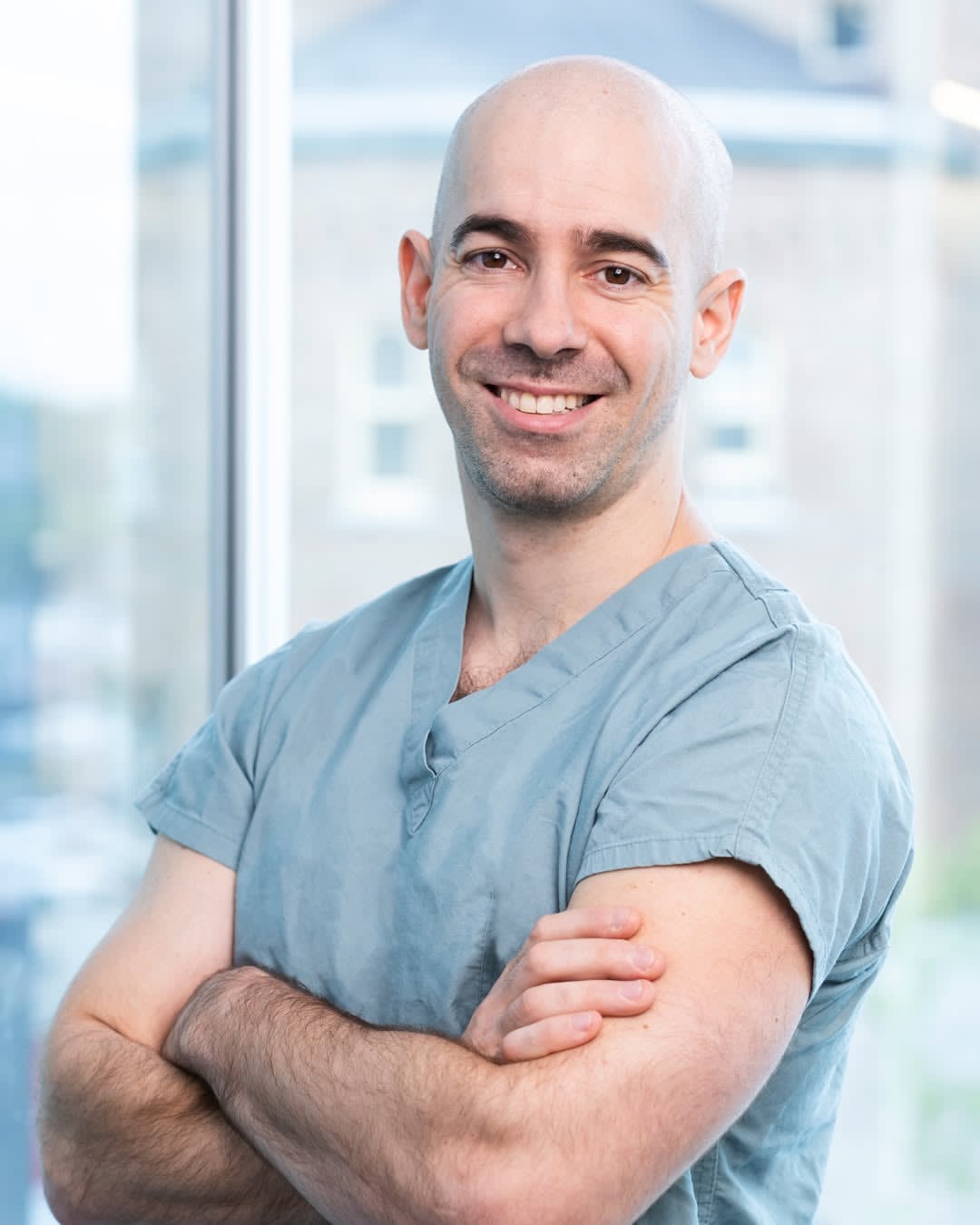
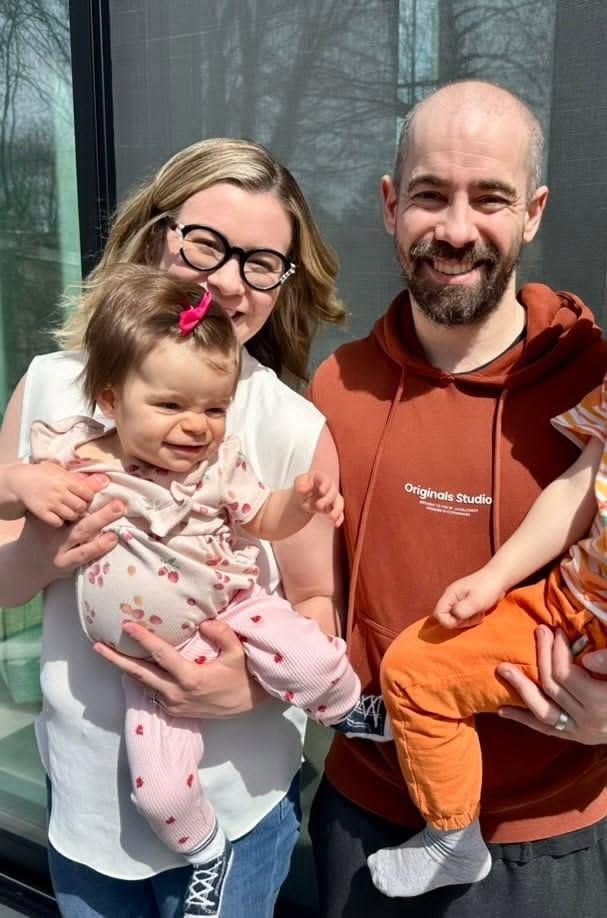
With thanks to Dr. Alexis Cournoyer and his family.
- A systematic review of all published SETD5 cases, to describe the full clinical spectrum of the condition. The goal is to make this comprehensive review freely available so families, clinicians, and researchers can all benefit from the most up-to-date knowledge.
- A cohort study in collaboration with Simons Searchlight, to learn how SETD5 affects individuals over time.
The more SETD5 families enrolled in Simons Searchlight, the stronger these studies become — and the closer we get to better information for families, better guidance for healthcare providers, and, one day, targeted treatments.
Families can participate from anywhere in the world, and the program is available in English, Spanish, French, Dutch, German, Italian, and Portuguese.
Ready to Join?
Having trouble enrolling? Reach out to us at info@setd5syndrome.org and we'll help you through the process.
Together, our SETD5 community can help speed research and bring us closer to better treatments for our loved ones.
Clinical, EEG and Genetic Characterization of SETD5-Related Epilepsy
Families affected by SETD5-related epilepsy are invited to participate in an international research study being conducted by the Neuroscience Department at Meyer Children's Hospital IRCCS in Florence, Italy.
Researchers are seeking to better understand the clinical features, EEG patterns, and treatment response of epilepsy associated with variants in the SETD5 gene. Clinical information, EEG findings, and genetic data will be collected through participants' treating medical practitioners.
By participating, families can help advance understanding of SETD5-related epilepsy and contribute to research that may benefit affected individuals and families worldwide.
Contact the Research Team
Dr. Simona Balestrini · simona.balestrini@meyer.it
Dr. Alice Dainelli · alice.dainelli@meyer.it
Are You a Researcher?
If you are conducting research relevant to SETD5 Syndrome and would like to be listed here, we'd love to hear from you.
Get in TouchThe IRS typically treats approval as retroactive to our date of incorporation, so gifts made now generally still qualify as tax-deductible once our exemption is confirmed. Your support today helps us build momentum from the very start.
Get Involved Your Way
Fundraise For Us
Run a race, host a dinner, celebrate a birthday and turn any moment into a fundraiser. We'll give you everything you need to get started.
Start a FundraiserVolunteer With Us
We need help with events, social media, family outreach, and more. Share your skills and time to help us grow our mission.
VolunteerSETD5 Syndrome Foundation is a nonprofit organization with a 501(c)(3) application pending with the IRS. EIN: 41-5356866. Donations will be tax-deductible once our exempt status is confirmed.
How We Got Here
When our children were diagnosed with SETD5 Syndrome, we received a name but little else. There was no foundation, no patient registry, and no central hub for scientific research for families. Research was scattered, slow, and underfunded.
A group of parents from the United States, Europe, and Australia came together with a single conviction: that a rare disease this newly understood could move from mystery to treatment faster than anyone thought possible, if families organized, raised money, and partnered directly with science.
We hire no executives. We keep our overhead low. We put every dollar toward research and families. And we built the SETD5 Syndrome Foundation. We are just getting started.
"We could not wait for someone else to build what our children needed. So we built it ourselves."
What We Stand For
Our Mission
We are a family-led nonprofit building toward a future where SETD5 Syndrome is understood, treated, and no longer isolating, through research, advocacy, and a global community of support.
Our Vision
A world where every person with SETD5 Syndrome has access to effective treatments, early diagnosis, and a thriving community of support.
Science First
We are committed to funding rigorous, peer-reviewed research — guided by scientific expertise and the needs of families.
Family-Led
Every decision is made with the lived experience of families at the center.
Global & Inclusive
SETD5 Syndrome affects families everywhere. Our community has no borders.
Board of Directors
Parents, caregivers, and allies who volunteer their time and skills to this mission.
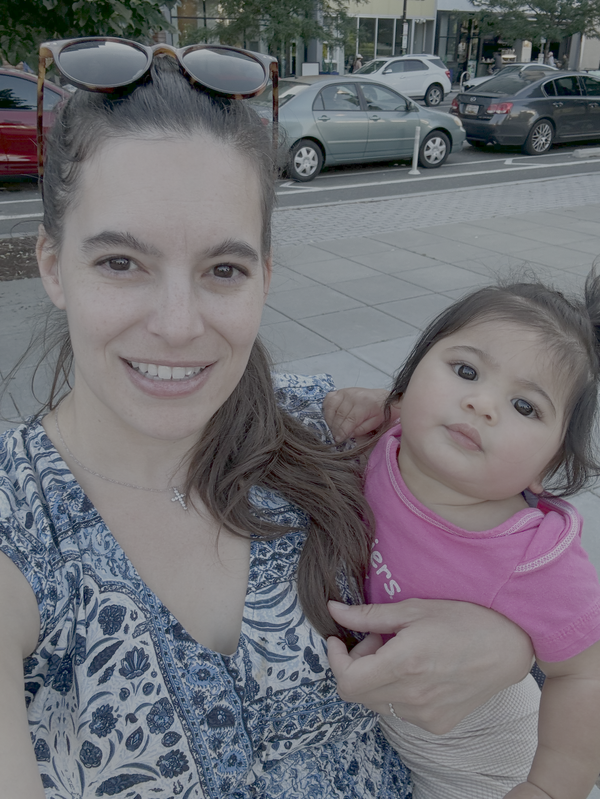
Laura Biazon
Doctorally prepared nurse practitioner and LEND fellow focused on early diagnosis, precision medicine, and connecting newly diagnosed families to care.
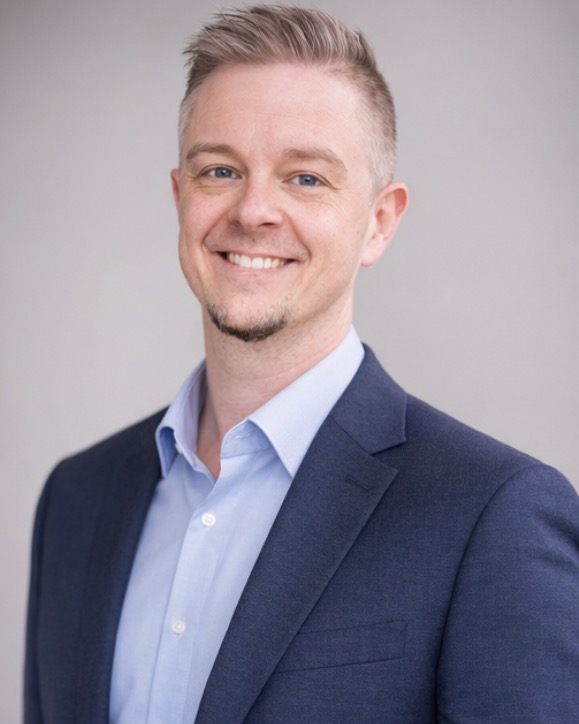
Corey Shadd
MBA-prepared healthcare business leader with 18+ years building programs and organizations, and a father to a child with SETD5 Syndrome.
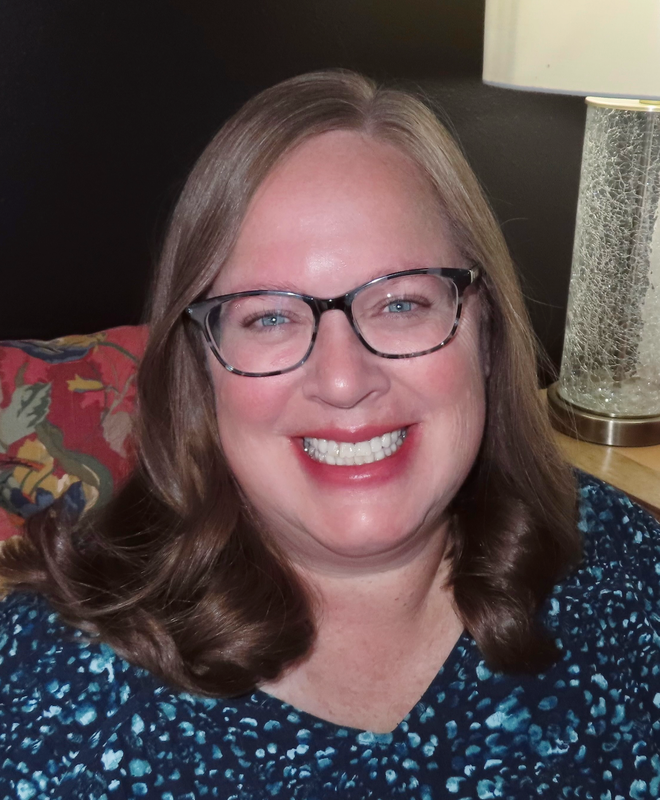
Amy Kreller-Kochis
Licensed Professional Counselor working to raise awareness of SETD5 Syndrome and build practical resources for individuals and caregivers.
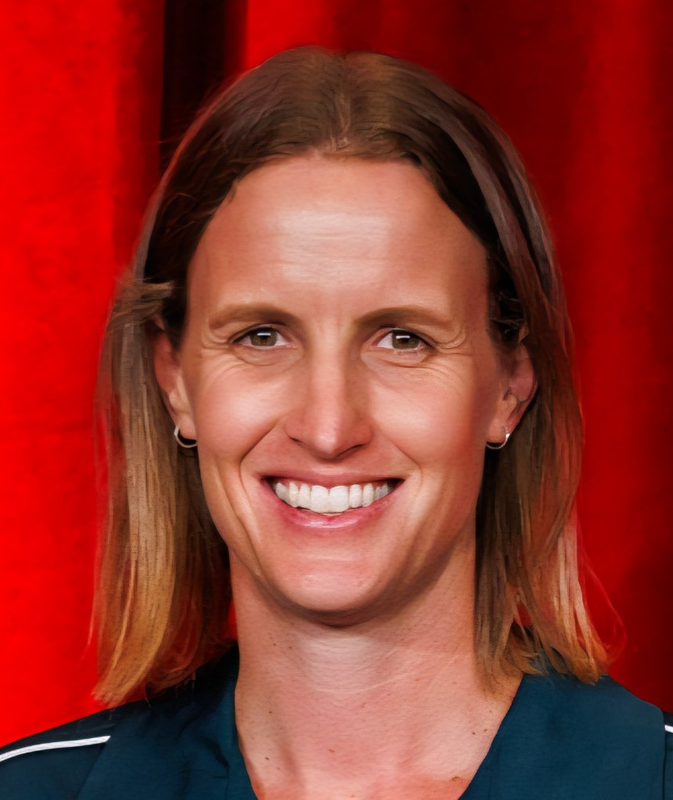
Taryn Mildenhall
Paramedic bringing both clinical expertise and international perspective to advancing research and gene-targeted therapies for SETD5 Syndrome.
Advisory Boards
We are in the process of assembling advisory boards to guide the scientific and medical direction of the Foundation. Members will be nominated by the board and selected based on their credentials, expertise, and independence.
Scientific Advisory Board
We are assembling a Scientific Advisory Board of researchers in SETD5 Syndrome, neurodevelopmental genetics, and rare disease. If this is your field, we would welcome a conversation.
Medical Advisory Board
We are building a Medical Advisory Board of physicians, geneticists, neurologists, and other clinicians who care for children with rare neurodevelopmental conditions.
We Would Love to Hear From You
Families, researchers, donors, press. We respond to every message.
Follow Us
We Would Love to Hear From You
Follow Us
The resources listed below are provided for informational purposes only. The Foundation does not formally endorse any external organization, website, or community. Families are encouraged to evaluate resources independently.
The SETD5 Syndrome Companion
An independently created and maintained website built by a parent of a child with SETD5 Syndrome. Includes genetic report guides, school supports, and plain-language explainers to help families understand the diagnosis and navigate daily life. Also home to SETD5 Syndrome and You, a short illustrated story written for kids explaining SETD5 Syndrome in simple, kind language. Read it together or let them flip through on their own.
This site is independently created and maintained and is not owned or controlled by the Foundation.
Visit setd5syndrome.com ↗SETD5 Syndrome Facebook Group
A private Facebook group for families, caregivers, and individuals affected by SETD5 Syndrome. This is an independent community space not affiliated with the Foundation.
Visit the Group ↗Simons Searchlight
A research program connecting families with published research, patient registries, and clinical databases focused on rare genetic conditions including SETD5 Syndrome.
Visit simonssearchlight.org ↗Not Sure Where to Start?
If you are newly diagnosed or feeling overwhelmed, reach out directly. We will do our best to point you toward resources and connect you with others who understand.
Contact the FoundationA First Point of Contact for Families
When a family receives a SETD5 Syndrome diagnosis, they often have no roadmap. Our goal is to be that first point of contact: helping families find what resources exist, connecting them with others who truly understand, and making sure they feel welcomed into a community that has been waiting for them.
We are not building a new resource library from scratch. We are helping families find the high-quality resources that already exist, and filling the gaps where they don't.
Start Here
If you have just received a SETD5 Syndrome diagnosis, for your child or yourself, the most important thing to know is that there is a community of families who have been exactly where you are.
As we build the Foundation, we are here to point you toward trusted resources and connect you with other families who understand. You do not have to figure this out alone.
Reach Out to UsWhat We Can Help With
- → Finding plain-language resources written for families
- → Pointing you toward trusted resources and organizations
- → Connecting with the global SETD5 Syndrome community
- → Finding other families who understand your experience
Virtual Meetups & Events
We are building a series of virtual meetups so families can connect with one another and with the Foundation. These will start with a welcome session for newly diagnosed families, and regional meet-and-greet calls where families can find others near them.
In-person events are a future goal as the Foundation grows. For now, subscribe to stay notified as these programs take shape.
Stay UpdatedReady to Connect?
Reach out directly and we will help you find what you need. No matter where you are starting from.
Contact the FoundationWays to Work Together
We are looking for organizations that share our belief that rare disease families deserve better science, better support, and a stronger voice. Here are the kinds of partnerships we are building toward.
Scientific Collaborators
We are seeking research institutions and principal investigators working in neurodevelopmental genetics, epigenomics, and rare disease therapeutics to co-develop and co-fund studies.
Advocacy & Policy Allies
We are looking to connect with rare disease advocacy organizations that can help amplify our families' voices and navigate the policy, funding, and legislative landscape.
Funding Partners
We welcome corporate sponsors and philanthropic partners who want to align their giving with a high-impact rare disease mission. Your support goes directly toward funding research.
Let's Work Together
The SETD5 Syndrome Foundation partners with organizations that share our belief that no family should face a rare disease alone — and that better science leads to better lives.
-
Advance Rare Disease Research Co-fund studies, share datasets, and accelerate discovery for families waiting on answers.
-
Reach a Dedicated Community Connect with an engaged network of families, clinicians, and researchers who trust this Foundation.
-
Demonstrate Social Impact Align your organization with a mission that makes a measurable difference for children and families.
Ready to Explore a Partnership?
We'd love to learn about your organization and find ways to work together toward shared goals.
Start the Conversation Learn more about our mission →
Make an Impact
When our 501(c)(3) status is confirmed, every gift, from an individual, a company, or a community group, will go directly to SETD5 Syndrome research, family programs, and advocacy.
One-Time Donation
A direct gift of any size makes an immediate difference, funding lab supplies, research fellowships, and family resources.
Donate NowMonthly Giving
Recurring gifts provide the Foundation with stable, predictable funding that lets us plan research grants and programs with confidence.
Give MonthlyCorporate Giving
Partner with us on research sponsorship, matching gift programs, or cause-marketing campaigns that make a visible difference for rare disease families.
Learn MoreFundraise on Our Behalf
Some of our most powerful fundraising comes from families and friends who take the mission into their own communities.
Birthday & Milestone Fundraisers
Turn a birthday, anniversary, or milestone moment into an act of generosity. Ask friends and family to donate to SETD5 Syndrome Foundation in your honor.
Team & Group Fundraising
Organize a run, bake sale, auction, or community event and donate the proceeds. We'll provide resources, materials, and support to help make your event a success.
Tribute & Memorial Giving
Honor someone you love by making a gift in their name, or invite others to give in lieu of flowers or gifts. A meaningful way to celebrate a life or mark a loss.
Ready to Give?
Every contribution, no matter the size, moves the needle for families living with SETD5 Syndrome.
Donate NowVolunteer Opportunities
We welcome volunteers from all backgrounds: parents, caregivers, medical professionals, researchers, students, and advocates. Your skills and time make a direct difference. Fill out the form below to express your interest. We'll be in touch if there's a match for a need we currently have.
Administrative Support
Help keep the Foundation running smoothly, from organizing documents and coordinating schedules to supporting board operations and day-to-day tasks.
Events & Fundraising
Help plan, promote, and run our fundraising events, from virtual awareness campaigns to in-person community gatherings.
Family Support
Help newly diagnosed families navigate the early days. As a peer support volunteer, you offer connection, empathy, and lived experience to families who need it most.
Social Media & Communications
Writers, designers, and social media volunteers help us tell our story, reach more families, and communicate the science in plain language.
Research & Advocacy
Support our efforts to engage the scientific community by helping with patient registry outreach, research survey distribution, and data collection coordination.
Other
Have a skill or passion that doesn't fit neatly into a category? Tell us about yourself. There's likely a place for you here.
Express Your Interest
Fill out the form below and we'll be in touch with opportunities that match your skills and availability.
SETD5 Syndrome Foundation ("we," "us," or "our") is a Virginia nonprofit organization with a 501(c)(3) tax-exempt application pending with the IRS. This Privacy Policy explains how we collect, use, and protect information when you visit setd5syndrome.org or interact with our programs. We are committed to handling your information with care and respect.
Information We Collect
We collect information only when you voluntarily provide it to us. This may include:
Newsletter sign-ups: When you subscribe to our mailing list, we collect your email address. We use this solely to send Foundation updates, research news, and family resources.
Contact and inquiry forms: If you reach out through our website, we collect your name, email address, and the content of your message in order to respond to you.
Board intake forms: If you apply to join our Board of Directors, we collect professional and personal information provided in that form. This information is used only for board recruitment purposes and is handled confidentially.
We do not use cookies for tracking, and we do not use Google Analytics or any third-party analytics tools on this site.
How We Use Your Information
We use the information you provide to respond to your inquiries, send communications you have opted into, and improve our programs and services. We do not sell, rent, or trade your personal information to any third party. We do not use your information for any purpose beyond what is described in this policy without your consent.
Email Communications
If you subscribe to our newsletter, you may unsubscribe at any time by clicking the unsubscribe link in any email we send, or by contacting us directly at info@setd5syndrome.org. We will promptly remove you from our mailing list.
Data Security
We take reasonable steps to protect your information from unauthorized access, disclosure, or misuse. However, no method of transmission over the internet is completely secure, and we cannot guarantee absolute security.
Children's Privacy
Our website is intended for general audiences and is not directed at children under the age of 13. We do not knowingly collect personal information from children. If you believe a child has provided us with personal information, please contact us and we will promptly delete it.
Third-Party Links
Our website may contain links to external sites, including research institutions, partner organizations, and social media platforms. We are not responsible for the privacy practices of those sites and encourage you to review their policies independently.
Changes to This Policy
We may update this Privacy Policy from time to time. When we do, we will update the effective date at the top of this page. Continued use of our website after changes are posted constitutes your acceptance of the revised policy.
Contact Us
If you have questions or concerns about this Privacy Policy, please contact us at info@setd5syndrome.org.
Welcome to setd5syndrome.org, the official website of SETD5 Syndrome Foundation, a Virginia nonprofit corporation with a 501(c)(3) tax-exempt application pending with the IRS. By accessing or using this website, you agree to be bound by these Terms of Use. If you do not agree, please do not use this site.
Not Medical Advice
The content on this website is provided for general informational and educational purposes only. It is not intended to be, and should not be construed as, medical advice, diagnosis, or treatment. Always seek the guidance of a qualified healthcare provider with any questions you may have regarding a medical condition. Never disregard professional medical advice or delay seeking it because of something you have read on this website.
Use of This Website
You may use this website for lawful, personal, and non-commercial purposes. You agree not to use this site in any way that is harmful, deceptive, or disruptive, or that violates any applicable law or regulation. You may not reproduce, distribute, or republish content from this site without prior written permission from SETD5 Syndrome Foundation, except for personal, non-commercial use.
Intellectual Property
All content on this website, including text, graphics, logos, images, and design elements, is the property of SETD5 Syndrome Foundation or its content contributors and is protected by applicable copyright and intellectual property laws. The SETD5 Syndrome Foundation name and logo may not be used without our express written permission.
Third-Party Links
This website may link to external websites operated by third parties, including research institutions, scientific publications, and partner organizations. These links are provided for your convenience and information only. SETD5 Syndrome Foundation does not endorse, control, or take responsibility for the content or practices of any third-party sites.
Disclaimer of Warranties
This website is provided on an "as is" and "as available" basis without warranties of any kind, either express or implied. SETD5 Syndrome Foundation makes no representations or warranties regarding the accuracy, completeness, or reliability of any content on this site.
Limitation of Liability
To the fullest extent permitted by law, SETD5 Syndrome Foundation shall not be liable for any direct, indirect, incidental, or consequential damages arising from your use of, or inability to use, this website or its content.
Governing Law
These Terms of Use are governed by the laws of the Commonwealth of Virginia, without regard to its conflict of law provisions.
Changes to These Terms
We reserve the right to update these Terms of Use at any time. Changes will be posted on this page with an updated effective date. Your continued use of the website following any changes constitutes your acceptance of the revised terms.
Contact Us
If you have questions about these Terms of Use, please contact us at info@setd5syndrome.org.
SETD5 Syndrome Foundation is committed to ensuring that setd5syndrome.org is accessible to everyone, including people with disabilities. We believe that all families, regardless of ability, deserve full access to the information, resources, and community we offer.
Our Standard
We aim to conform to the Web Content Accessibility Guidelines (WCAG) 2.1 at Level AA. These guidelines explain how to make web content more accessible to people with disabilities, including those with visual, auditory, cognitive, and motor impairments.
What We Have Done
Semantic HTML: We use semantic HTML elements to support screen readers and assistive technologies.
Color contrast: Text and background color combinations are designed to meet or exceed WCAG AA contrast ratios.
Keyboard navigation: Core site navigation and interactive elements are designed to be accessible by keyboard.
Responsive design: The site is designed to work across a range of devices and screen sizes.
Font sizing: Text is sized in relative units to respect user browser font preferences.
Known Limitations
We are a small volunteer-run nonprofit and our website is actively being developed. Some areas of the site may not yet fully meet accessibility standards. We are committed to addressing issues as we identify them and welcome feedback to help us improve.
Request an Accessible Format
If you need information from this website in an alternative format, or if you encounter any accessibility barriers, please contact us. We will do our best to provide the information you need in a format that works for you.
Contact Us
To report an accessibility issue or request assistance, please email us at info@setd5syndrome.org. We aim to respond within five business days.